
Top
about
element
The Profession That Keeps Aviation Safe

Why Become an Aircraft Maintenance Engineer

Every aircraft that takes off carries hundreds of lives and millions of rupees worth of technology. Behind every safe landing stands a highly trained professional who has inspected, maintained, and certified that aircraft for flight. That professional is an Aircraft Maintenance Engineer, commonly known as an AME.

While pilots operate the aircraft in the sky, AMEs ensure that the aircraft is technically fit to fly in the first place. Without a licensed AME certifying airworthiness, no commercial aircraft is legally permitted to operate. This makes the AME profession one of the most indispensable careers in the entire aviation industry.

If you are looking for a career that combines responsibility, technical expertise, global relevance, and long-term stability, becoming an AME is one of the strongest choices you can make.

What Does an Aircraft Maintenance Engineer Do?

An Aircraft Maintenance Engineer is responsible for inspecting, maintaining, troubleshooting, and certifying aircraft systems in accordance with aviation regulatory standards. Their role goes far beyond basic repair work.

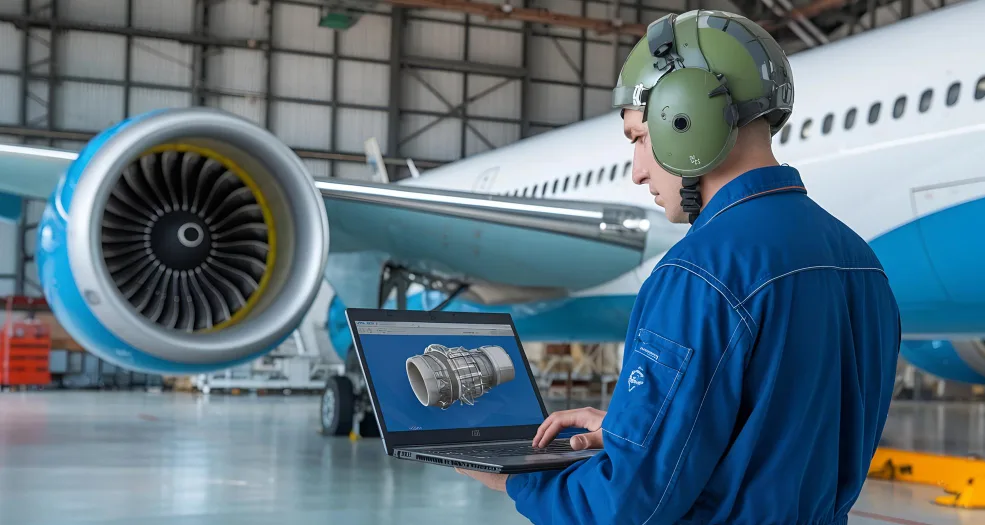
An AME performs scheduled inspections, identifies technical faults, replaces or repairs components, tests aircraft systems, and ensures that every system functions perfectly before the aircraft is released for service. After completing maintenance tasks, the AME signs the certificate of release to service, which legally confirms that the aircraft is safe to fly.

This level of authority and accountability places AMEs at the core of aviation safety. Their signature directly impacts whether an aircraft can carry passengers.

Why AME Is an Indispensable Career in Aviation

Aviation cannot Function Without AMEs

Every commercial aircraft must be certified by a licensed AME before flight. No airline can operate without a maintenance team. As fleets expand globally, the demand for qualified AMEs continues to grow.

Airlines, Maintenance, Repair and Overhaul (MRO) organisations, aircraft manufacturers, private operators, and defence sectors all rely on licensed engineers. This makes the profession recession-resistant compared to many other industries.

Growing Aviation Industry Means Growing Demand

India is one of the fastest-growing aviation markets in the world. With hundreds of aircraft on order and new airports being developed, the need for maintenance professionals is steadily increasing.

Each new aircraft added to an airline's fleet requires a team of engineers to maintain it. As fleets grow, maintenance capacity must also expand. This creates consistent employment opportunities for trained and licensed AMEs.

Regulatory Requirement Ensures Job Security

Aircraft maintenance is not optional. It is mandated by aviation authorities such as the Directorate General of Civil Aviation. Airlines must comply with strict regulations to operate legally. This regulatory framework ensures that maintenance professionals will always be required.

Unlike many professions that fluctuate with market trends, AME remains essential because aviation safety regulations cannot be compromised

A Career Built on Skill and Authority

One of the most rewarding aspects of becoming an AME is the professional authority that comes with the license. After completing training and passing regulatory examinations, an AME earns the privilege to certify aircraft airworthiness.

This is not simply a job. It is a licensed profession similar in responsibility to doctors, pilots, and chartered professionals. The license is a recognition of competence, accountability, and trust.

Holding this license means your technical judgment carries legal and operational significance.

Specialization Opportunities

Aircraft Maintenance Engineering offers specialisation pathways that align with your interests:

  • Mechanical stream focusing on airframe and engine systems
  • Avionics stream focusing on electrical, instrumentation, and navigation systems

These specialised tracks allow you to develop deep expertise in your chosen domain. As you gain experience, you can move into senior technical roles, supervisory positions, quality control, or maintenance planning.

Global Career Mobility

Aviation is a global industry. Aircraft technology and maintenance standards are internationally aligned. With appropriate license conversions and additional certifications, experienced AMEs can pursue opportunities abroad.

Many Indian AMEs work in the Middle East, Southeast Asia, Europe, and Africa. The technical nature of the profession ensures that your skills remain relevant worldwide.

This global mobility adds significant long-term value to the career.

Continuous Learning and Technological Exposure

Modern aircraft are equipped with advanced avionics, digital flight systems, composite materials, and complex engines. Working as an AME means constantly learning and upgrading your technical knowledge.

This keeps the profession dynamic and intellectually stimulating. You are not performing repetitive mechanical tasks. You are working with high-precision engineering systems that require analytical thinking and technical expertise.

Pathway to Higher Education and Research

An AME qualification can also open doors to further academic pursuits. Many professionals choose to pursue bachelor’s or master’s degrees in aeronautical engineering, aviation management, or related fields.

Some move into research and development roles within aviation technology. Others enter civil aviation authorities or pursue teaching positions after gaining experience.

The technical foundation built during AME training provides a strong base for academic progression.

A Profession with Purpose

Aviation connects cities, countries, businesses, and families. Behind every successful flight is a team ensuring safety standards are upheld. Becoming an AME means being part of that mission.

You contribute directly to passenger safety. You play a role in maintaining public trust in air travel. You work in an industry that moves the world forward.

Few careers combine responsibility, technical depth, regulatory authority, global opportunity, and long-term stability in the way Aircraft Maintenance Engineering does.

about
element

Is AME Right for You?

You should consider becoming an AME if:

  • You are strong in Physics and Mathematics
  • You enjoy working with machines and systems
  • You prefer practical, hands-on technical work
  • You want a licensed profession with global relevance
  • You seek stability and long-term career growth

Aircraft Maintenance Engineering is not just another technical course. It is a licensed profession that forms the backbone of aviation safety. Without AMEs, aircraft cannot operate. Without maintenance certification, airlines cannot function.

The aviation industry continues to expand, technology continues to evolve, and safety standards continue to tighten. This ensures that the demand for qualified maintenance engineers remains strong.

Choosing to become an AME means choosing a career built on responsibility, expertise, and impact. It means stepping into a profession that is respected, globally relevant, and indispensable to the aviation industry.

If you are ready to build a career that truly matters, Aircraft Maintenance Engineering offers a pathway that is both rewarding and future secure.